
Understanding Phytotherapy for Everyday Vitality
Explore the science and tradition behind plant-based wellness for men over 45. Discover how botanical knowledge shapes modern vitality.
What is Phytotherapy?
Phytotherapy represents the systematic study and application of plant-derived substances to support human wellness. Also known as herbalism, this practice combines traditional knowledge accumulated over centuries with modern botanical research and scientific analysis.
For men over 45, phytotherapy offers a natural approach rooted in understanding how plant compounds interact with everyday lifestyle. This knowledge base examines the properties of medicinal plants, their traditional use across cultures, and their role in supporting vitality during life's later chapters.
The modern approach to phytotherapy integrates historical wisdom with contemporary research, creating an informed perspective on plant-based wellness.

Core Pillars of Plant-Based Knowledge
Phytotherapy rests on several interconnected principles that guide our understanding of how botanical elements support everyday wellness.
Properties of Medicinal Plants
Each plant contains specific compounds that interact with the body's natural processes. Understanding these properties—whether they relate to energy, focus, or general wellness—forms the foundation of informed plant use. Research continues to document which plants offer meaningful support for different life stages.
Traditional Use of Herbs
For generations, cultures across the world have maintained detailed knowledge of plant applications. This herbal heritage offers valuable insights into which botanical traditions have supported human wellness over centuries. Contemporary phytotherapy respects this accumulated wisdom while verifying its relevance through modern investigation.
Herbal Extracts & Components
Modern phytotherapy isolates and studies specific plant compounds—from whole-plant extracts to individual active constituents. Understanding how these components work individually and together enables a more precise grasp of botanical effectiveness. This detailed knowledge supports informed choices about plant-based wellness approaches.
Cultural Plant Knowledge
Different cultures developed distinct plant traditions reflecting their environments and accumulated observation. Ayurvedic, Chinese, European, and other herbal traditions each offer unique perspectives on plant applications. Comparing these viewpoints enriches our modern understanding of botanical wellness for different life situations.
Research on Medicinal Plants
Contemporary botanical science investigates plant compounds through rigorous methodology. Modern research documents which traditional uses hold merit and explores new applications supported by evidence. This ongoing scholarly work bridges historical knowledge and current scientific understanding, creating an informed basis for plant knowledge.
Role of Plants in Human Life
Beyond wellness applications, plants shape human nutrition, environment, and daily experience. Understanding the broader role plants play in supporting human vitality—from food to air quality to botanical traditions—provides context for why plant knowledge matters at every life stage, especially as we mature.
History of Phytotherapy and Herbalism
Ancient Foundations
Phytotherapy's roots stretch back thousands of years. Ancient Egyptian papyri document detailed plant applications, while Ayurvedic and Traditional Chinese Medicine systems developed sophisticated herbal frameworks. These early practices represented humanity's first systematic attempts to understand plant properties and their effects on human wellness.
Medieval herbalists refined plant knowledge further, creating detailed herbal collections and botanical illustrations that passed down accumulated wisdom. European apothecaries maintained extensive plant knowledge that formed the basis for modern pharmacology.


Modern Evolution
The 20th and 21st centuries brought scientific rigor to phytotherapy. Researchers began isolating plant compounds, testing their effects, and documenting which traditional uses held validity. This modern approach to medicinal plants combines scientific methodology with respect for historical botanical knowledge.
Today's phytotherapy integrates plant-based components into wellness frameworks supported by contemporary research. For men over 45, this evolution means access to both traditional wisdom and current understanding—a balanced perspective on how botanical knowledge applies to everyday vitality in later life stages.
Modern Approach to Plant Knowledge
Evidence-Based Selection
The modern phytotherapy approach emphasizes choosing plants based on documented properties and research findings. Rather than relying solely on marketing, informed plant selection considers scientific evidence, traditional use, and established safety profiles. This discerning approach helps identify which botanical knowledge truly supports vitality goals.
Personalized Application
Contemporary phytotherapy recognizes that plant use works best when tailored to individual situations. Men over 45 face unique wellness considerations—understanding which herbal traditions address specific lifestyle factors creates a more relevant application. This personalized perspective improves the relevance of plant knowledge to everyday circumstances.
Balance of Traditions
Effective plant knowledge respects both historical herbal traditions and modern scientific findings. Rather than choosing between them, contemporary phytotherapy integrates both perspectives. This balanced approach values centuries of accumulated plant wisdom while remaining open to new research insights about botanical components and their applications.
Understanding Plant Compounds and Applications
Plant-based components work through various mechanisms to support everyday wellness. Understanding these applications helps clarify how botanical knowledge applies to vitality at different life stages.
Energy and Vitality Support
Various plants contain compounds traditionally associated with supporting natural energy and everyday vitality. These botanical applications address the experience of sustained alertness and capability throughout the day—a particular concern for men over 45 navigating changing energy patterns with age.
- Natural compounds supporting physical capacity
- Herbal traditions for sustained daily activity
- Plant compounds supporting normal energy metabolism
Mental Clarity and Focus
Plant-based components have been traditionally used and researched for supporting mental sharpness and focus. Understanding these herbal applications helps address cognitive demands of work and daily life. For mature men, maintaining mental acuity becomes increasingly valuable for professional and personal success.
- Botanical compounds supporting concentration
- Herbal traditions for mental performance
- Plant extracts supporting cognitive function
Physical Performance Support
Botanical knowledge extends to supporting physical capability and recovery. Plants contain compounds traditionally associated with maintaining strength, endurance, and mobility—areas that warrant attention for men over 45 maintaining active lifestyles. Understanding these plant applications connects wellness to practical daily performance.
- Herbal support for muscle function and recovery
- Plant compounds supporting normal endurance
- Traditional botanical applications for active living
Restorative Wellness Support
Sleep quality and recovery profoundly affect daily vitality. Phytotherapy includes botanical knowledge supporting restful sleep and natural recovery processes. Many herbal traditions address the restorative aspects crucial for maintaining energy and well-being—particularly important as physical recovery needs change with age.
- Plant compounds supporting sleep quality
- Herbal traditions for natural recovery
- Botanical knowledge supporting daily renewal
Exploring Herbal Collections and Botanical Categories
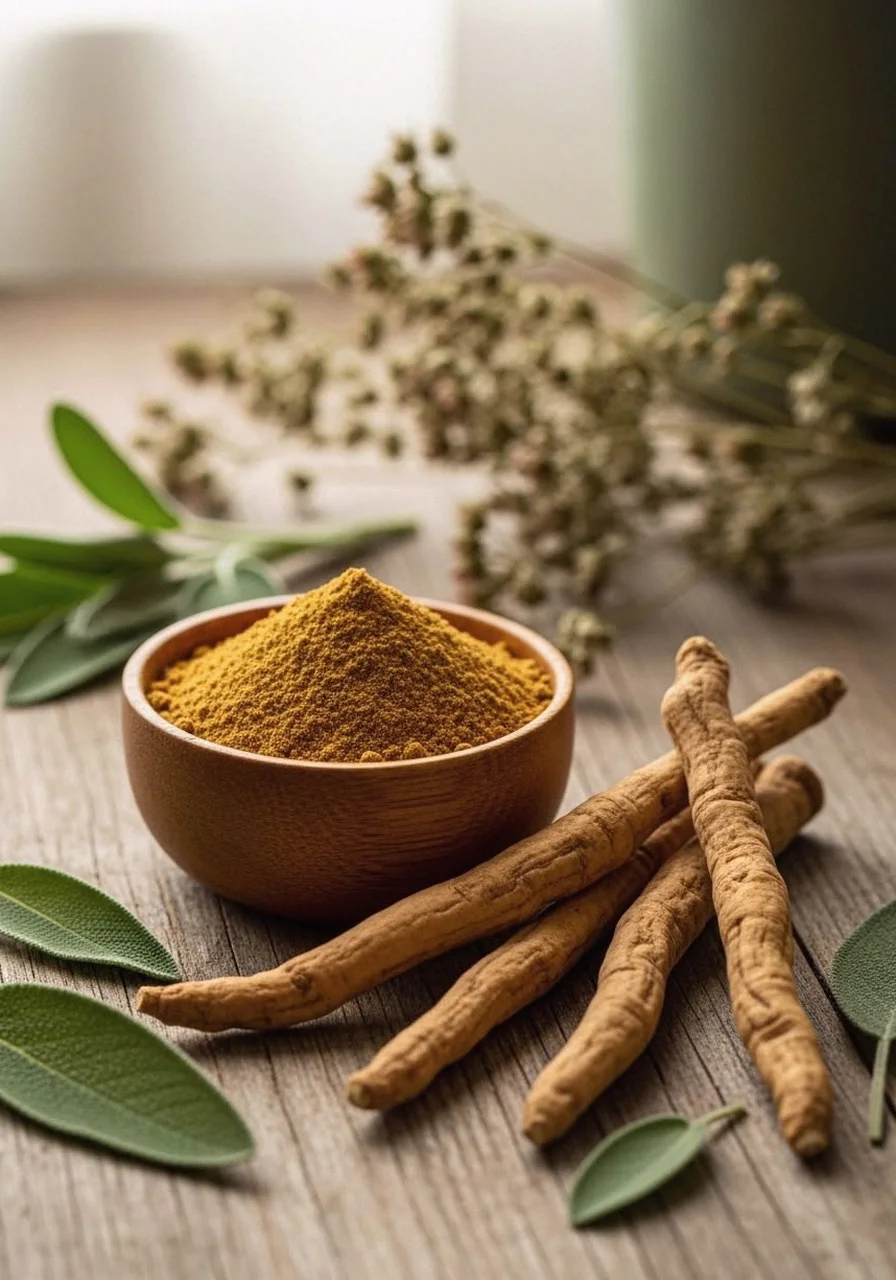
Traditional Herbal Frameworks
Across cultures, herbalists organized plant knowledge into systematic collections. These traditional frameworks categorized plants by properties, seasonal use, and application—methods developed through centuries of observation. Understanding these classifications helps modern readers grasp how plant knowledge traditionally structured and transmitted.
Ayurvedic systems, Traditional Chinese Medicine, European herbalism, and indigenous traditions each developed distinct organizational approaches reflecting local plants, climate, and philosophical frameworks. Studying these different herbal collections enriches understanding of botanical diversity and varied applications.
Contemporary phytotherapy draws on these herbal collections, respecting organizational wisdom while supplementing with modern research insights about specific plant compounds and their effects.
Categories of Botanical Knowledge
Stimulating Plants
Botanicals traditionally recognized for supporting alertness, energy, and dynamic activity. These plants appear across herbal traditions as support for active engagement with daily life and maintaining vitality through purposeful activity.
Calming Plants
Plants traditionally used for supporting relaxation and natural stress response. These botanical applications address daily tension and support the restorative rest essential for sustained vitality and well-being.
Protective Plants
Botanicals traditionally recognized for supporting body's natural protective functions. Many herbal traditions emphasize plants that strengthen the body's inherent resilience and support healthy aging processes.
Balancing Plants
Plants traditionally used for supporting overall equilibrium and harmony within natural body processes. These applications reflect herbal wisdom about supporting the body's inherent tendency toward balanced functioning.
Research on Medicinal Plants and Modern Understanding
Contemporary science continues investigating botanical compounds and their mechanisms. This ongoing research bridges traditional knowledge with modern methodology.
Scientific Investigation
Compound Isolation and Analysis
Researchers isolate specific plant compounds to understand which botanical constituents contribute to observed effects. This analytical approach clarifies which plant properties hold scientific basis and how different compounds work individually.
Laboratory Studies
Controlled laboratory experiments investigate how plant compounds interact with biological systems. These studies establish which plant properties have measurable effects and provide mechanistic understanding of botanical applications.
Validation of Traditional Uses
Science investigates which traditional plant applications have merit and deserve continued attention. This validation process respects herbal wisdom while determining which traditional uses align with evidence, strengthening botanical knowledge credibility.
Advancing Phytotherapy Knowledge
Modern research reveals new applications for familiar plants and clarifies mechanisms behind traditional uses. For men over 45, this expanding botanical knowledge base provides increasingly specific guidance about which plants and compounds support particular vitality goals.
Access to research-backed plant information allows readers to distinguish between marketing claims and evidence-supported applications—creating a foundation for informed decisions about botanical wellness approaches.
Approaches to Plant Knowledge: A Comparison
| Aspect | Traditional Herbalism | Modern Phytotherapy | Integration Approach |
|---|---|---|---|
| Knowledge Source | Centuries of cultural observation and documented practice | Scientific research and laboratory investigation | Combining both historical wisdom and contemporary evidence |
| Application Method | Whole-plant preparations following traditional recipes | Isolated compounds and standardized extracts | Both whole-plant and component-specific approaches as appropriate |
| Understanding Plant Effects | Empirical observation of outcomes and health patterns | Understanding specific mechanisms and compound actions | Respecting observed effects while seeking scientific explanation |
Trusted by Practitioners & Researchers
"Primevector has transformed how we approach herbal formulation. The bridge between traditional wisdom and modern science is exactly what the industry needed."
Sarah Chen
Clinical Herbalist, Boston Wellness Institute
"The depth of research combined with practical applicability makes Primevector an indispensable resource for our formulation team."
Marcus Rodriguez
Head of R&D, Natural Therapeutics Inc.
"A game-changer for anyone serious about evidence-based herbalism. Primevector delivers on both fronts—tradition and science."
Elena Volkov
Ethnobotanist & Author
Frequently Asked Questions
Is Primevector suitable for practitioners new to herbalism?
Absolutely. Primevector is designed with accessibility in mind. We provide clear pathways for beginners while offering deep technical content for advanced practitioners. Start with our foundational guides and progress at your own pace.
How current is the scientific research featured on Primevector?
Our research database is updated quarterly with peer-reviewed studies from leading phytotherapy and botanical medicine journals. We maintain citations and publication dates for full transparency and traceability.
Can I use Primevector for commercial formulation development?
Yes. Our Professional and Enterprise tiers are designed for businesses, formulators, and manufacturers. They include commercial licensing, advanced filtering, batch documentation tools, and priority technical support.
How does Primevector handle safety and contraindications?
Safety is paramount. Every herb entry includes detailed contraindication profiles, drug-herb interactions, pregnancy & lactation considerations, and dosage guidelines. We cross-reference multiple authoritative sources and flag emerging safety data.
What sets Primevector apart from other herbal databases?
Primevector uniquely bridges traditional ethnobotanical knowledge with contemporary scientific research. Our integrative methodology doesn't dismiss either approach—it harmonizes them. Plus, our interactive formulation tools and community features create a living, evolving resource.